Written by: Ella Mitchell
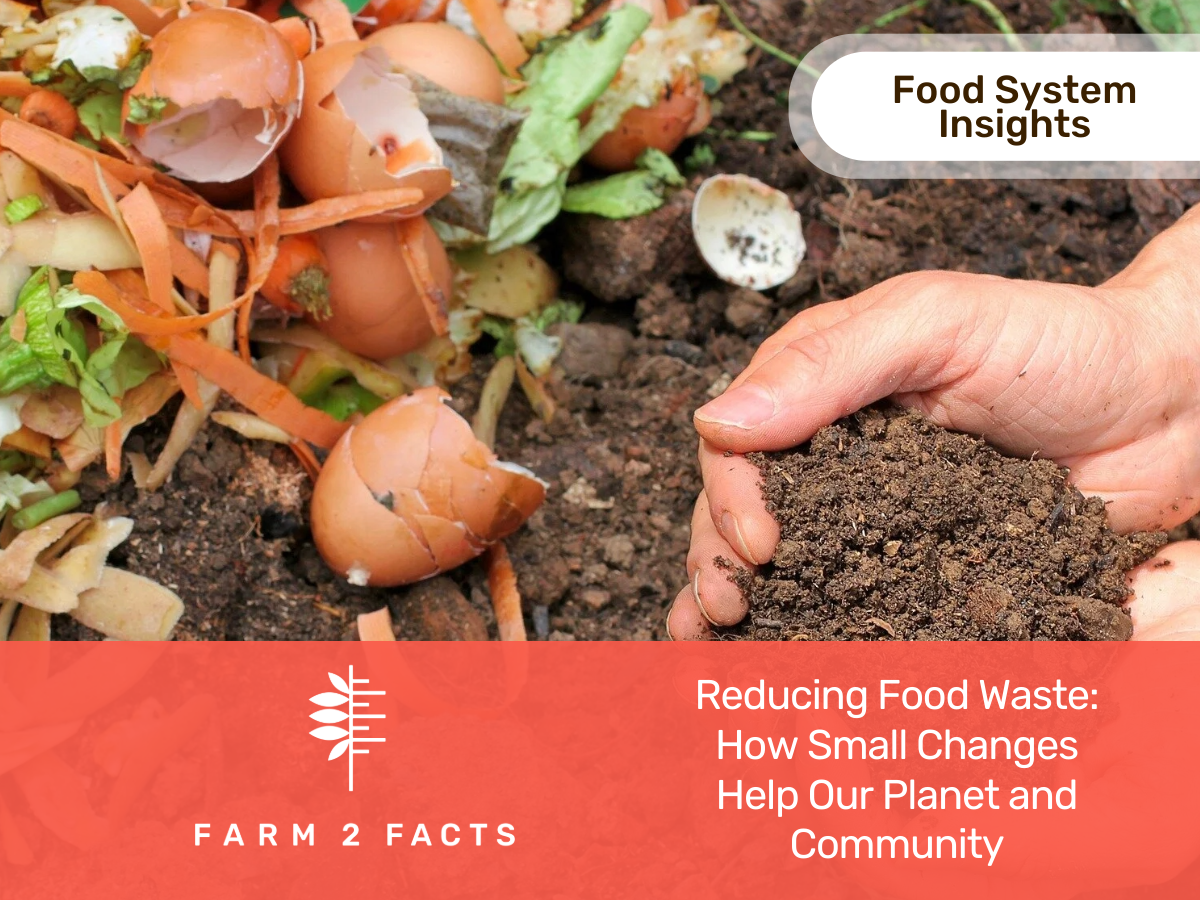
Most of us have bought a bag of greens at the grocery store, maybe arugula or spinach, only for it to end up wilted and tossed in the trash by the end of the week. That moment of healthy inspiration in the produce section slips from our mind. It turns out, so is the larger impact of our choices.
When we throw away food, we often think little about the environmental and social impacts. Building more consciousness about food waste is an important skill that can have positive ripple effects throughout local communities and the environment.
Undersatnding Food Waste
What is food waste? There are two common categories that occur at different stages of the food system. Food loss refers to the food that we lose at the early stages of its production process. This can result from weather and harvesting problems, processing and storage issues, and food damage in the distribution process. Food waste refers to food that is perfectly edible and fit for consumption, but ends up discarded for other reasons. These often include over-purchasing at the grocery store, portion inflation at restaurants, and a misunderstanding of food labels.
Practical Ways to Reduce Food Waste
There are many ways to reduce your food waste, and you can start small! First, learn more about proper food storage practices. Fruits and vegetables are often the first to get tossed, due to wilting, molding, and spoiling. Extend the life of your produce by researching the best ways to store it—for example, place the cut stems of cilantro in a jar with an inch or two of water, and cover loosely with a plastic bag! Your freezer is also your best friend. Preserve fall staples like sweet corn, zucchini, and squash, and store meat safely without having to toss it.
Another strategy to try is taking an inventory of your pantry. Who doesn’t have a bag of rice, a half-eaten box of pasta, or some lonely beans in the back corner of the shelf? While you are at it, check the back of your freezer too. Get creative by cooking a “no-buy” meal using only ingredients you already have. This habit helps you stay on top of your kitchen organization, spend less at the grocery store, and, most importantly, reduce food waste.
Tons of food get wasted every year through a misunderstanding of the food labeling system.
- Best Before – These labels are about quality. Most foods with this label are safe to eat past the best-before date; they just have slightly decreased taste or texture.
- Use by – These labels are about safety. It is the last date recommended for use at peak quality.
- Sell by – These labels tell the store how long to display the product, and help with inventory management. Often seen on eggs and dairy products, this date is not an expiration date.
Environmental Impacts
Over one-third of the food that is produced in the United States is never eaten. There are huge environmental impacts that result from wasted food — reading about them might encourage you to change your habits!
- The single most common material landfilled and incinerated in the U.S. is food waste
- An area of agricultural land, equivalent to California and New York State combined, is used to produce food that is wasted every year.
- Land used to grow wasted food or sustain wasted livestock degrades the soil for future use
- According to the Natural Resources Defense Council (NRDC), “growing food that goes to waste ends up using up to 21% of freshwater, 19% of our fertilizers, 18% of our cropland, and 21% of our landfill volume”.
Now What? Look to Your Community
In addition to helping the environment, reducing food waste can benefit those living around you. Using newfound skills of spending less on groceries and storing food properly, you can spend smarter by shopping at your local farmers’ market. While taking stock of your pantry, consider donating any unused items to your local food pantry! Donations are always welcome, especially amidst distressing funding cuts and delayed payments for the vital Supplemental Nutrition Assistance Program.
Finally, share food with your neighbors. Rediscover the lost art of sharing a cup of sugar and build a habit of asking your friends or neighbors if they want food before it goes to waste. This can help you connect with the people around you and build food security in your own community.